

Introduction
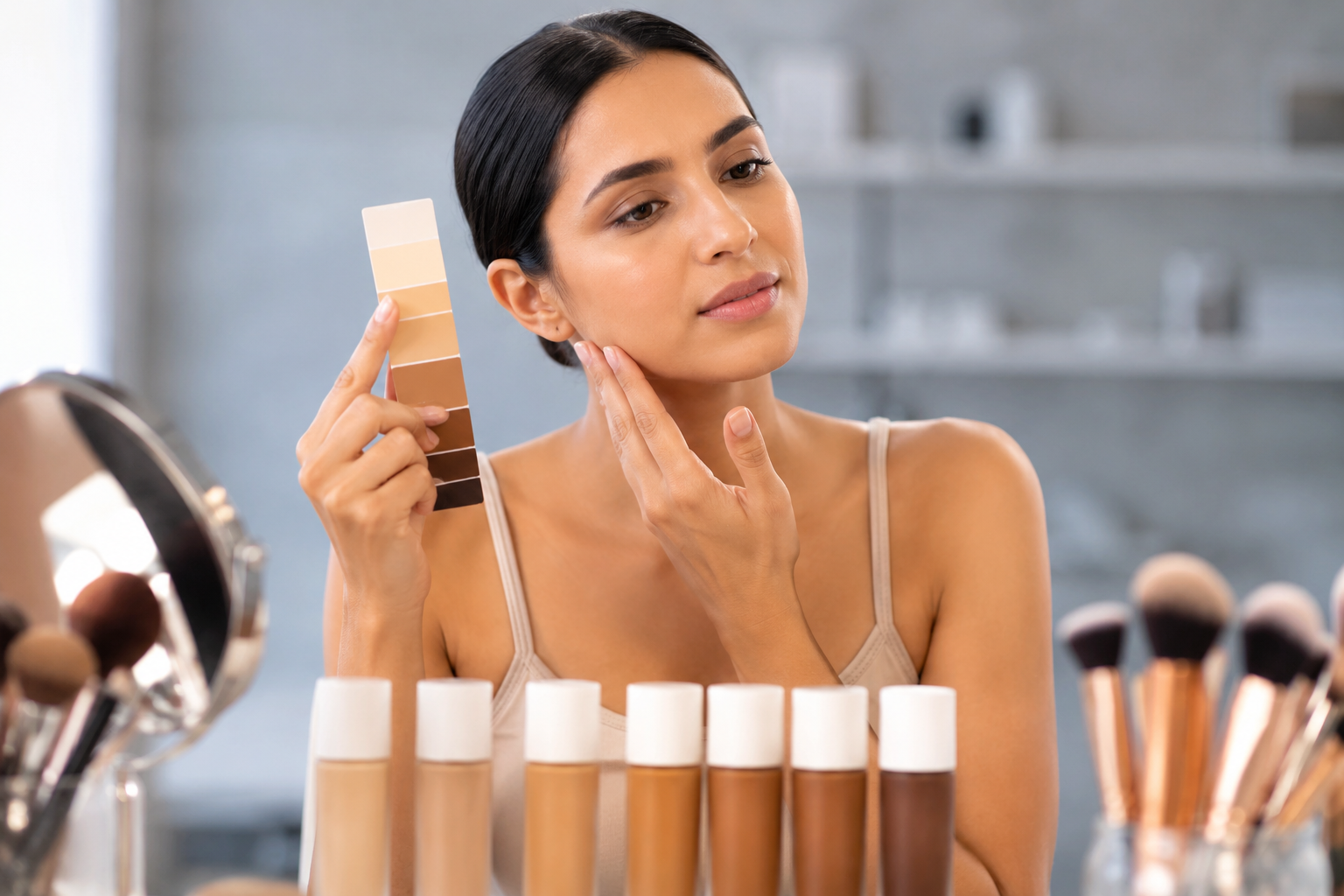
Choosing the right makeup shade can feel overwhelming, especially when shopping online. If you’ve been wondering which live tinted shade best matches your complexion, you’re not alone. Finding the perfect match isn’t just about whether your skin is light or dark—it also depends on your undertone, skin concerns, and the type of finish you prefer.
Live Tinted has built a strong reputation for creating inclusive beauty products designed to work across a wide range of skin tones. Whether you’re looking for a skin tint, concealer, color corrector, or bronzing product, understanding your undertone and how different shades perform can help you achieve a natural, seamless look. This guide explains everything you need to know, from identifying your undertone to choosing the best product and avoiding common shade-matching mistakes.
Overview of Live Tinted and Why Shade Matching Matters
Live Tinted is known for developing beauty products that celebrate diverse complexions rather than forcing everyone into limited shade ranges. Instead of focusing only on fair, medium, or deep categories, many of its products are designed to blend naturally with different undertones.
Choosing the correct shade offers several benefits:
- Creates a natural-looking finish
- Prevents makeup from looking too light or too dark
- Improves blending
- Enhances skin’s natural appearance
- Reduces the need for heavy contouring or correction
A well-matched complexion product should almost disappear into your skin rather than sitting on top of it.
Understanding Your Skin Undertone
Before choosing any live tinted product, determine your undertone.
Cool undertones
- Pink
- Red
- Bluish hues
Warm undertones
- Golden
- Peach
- Yellow
Neutral undertones
- A balanced mix of warm and cool tones
A quick way to check is by looking at the veins on your wrist.
- Blue or purple veins often suggest cool undertones.
- Green veins usually indicate warm undertones.
- A mix of both may point to neutral undertones.
Undertones remain relatively constant even if your skin becomes lighter or darker throughout the year.
Benefits of Choosing the Right Live Tinted Shade
Selecting the correct shade offers more than cosmetic benefits.
More Natural Coverage
When your complexion product matches your skin, it blends more smoothly and requires less effort.
Better Photography
An incorrect shade often appears obvious in flash photography. A proper match helps your complexion look even in different lighting conditions.
Improved Confidence
Many people find they wear less makeup overall once they discover products that closely match their natural skin tone.
Less Product Waste
Buying the correct shade the first time reduces returns and prevents unused makeup from sitting in your drawer.
Product Types, Ingredients, and How to Choose the Best Shade
Skin Tint
Skin tints provide lightweight coverage while allowing your natural complexion to show through. They work well for everyday wear and are ideal if you prefer a fresh, natural finish.
Choose a shade that disappears into your jawline rather than matching only your face.
Concealer
Concealers can either match your skin tone or be slightly lighter depending on their purpose.
- For blemishes: choose a close skin match.
- For under-eye brightening: choose one shade lighter if desired.
Color Correctors
One of the most recognizable products from Live Tinted is its color corrector, designed to neutralize discoloration before applying complexion products.
Different correcting shades target concerns such as:
- Dark circles
- Hyperpigmentation
- Uneven skin tone
Bronzing and Sculpting Products
Bronzers should add warmth without appearing orange or muddy.
Generally:
- Fair skin suits lighter bronzing shades.
- Medium skin works well with balanced golden tones.
- Deep skin benefits from richer bronze shades.
Ingredients to Look For
Many modern complexion products include skincare-focused ingredients that support healthy-looking skin.
Common beneficial ingredients include:
- Hyaluronic acid for hydration
- Squalane for moisture
- Vitamin E for antioxidant support
- Plant-based oils for smooth application
Always review the ingredient list if you have sensitive skin or known allergies.
How to Apply Live Tinted Products for the Best Results
Even the perfect shade can look uneven if applied incorrectly.
Step 1: Prepare Your Skin
Start with clean, moisturized skin. Dry patches can make makeup appear patchy.
Step 2: Apply in Natural Light
Indoor lighting often changes how shades appear. Daylight gives the most accurate result.
Step 3: Test Along the Jawline
Avoid testing on your hand or wrist. The jawline creates the smoothest transition between your face and neck.
Step 4: Blend Gradually
Use:
- Clean fingers
- Makeup sponge
- Dense foundation brush
Build coverage slowly instead of applying too much at once.
Step 5: Allow the Product to Set
Some complexion products slightly adjust after several minutes. Wait before deciding whether the shade matches perfectly.
Common Mistakes, Expert Advice, and Safety Tips
Common Shade-Matching Mistakes
Many shoppers accidentally choose shades based only on skin depth.
Other frequent mistakes include:
- Ignoring undertones
- Testing products under store lighting only
- Choosing shades that are too light for brightening
- Buying summer shades for winter use
- Skipping moisturizer before application
Expert Advice
Professional makeup artists often recommend:
- Match your neck rather than your cheeks.
- Consider seasonal skin tone changes.
- Keep two shades if your complexion changes significantly throughout the year.
- Blend into the neck for a seamless finish.
- When unsure between two shades, choose the one that matches your undertone most closely.
Skin Care Tips
Healthy skin helps makeup perform better.
Maintain your skin by:
- Cleansing gently
- Moisturizing daily
- Wearing sunscreen
- Exfoliating regularly but not excessively
- Staying hydrated
Safety Tips
Always follow good makeup hygiene.
- Perform a patch test before using a new product.
- Replace expired cosmetics.
- Clean makeup brushes and sponges regularly.
- Avoid sharing complexion products with others.
If irritation develops, discontinue use and seek advice from a qualified healthcare professional if symptoms persist.
Seasonal Recommendations for Better Shade Matching
Your skin tone may change throughout the year.
Spring and Summer
Many people naturally tan during warmer months. You may need a slightly deeper complexion shade or bronzer.
Autumn
This is often a transition period when summer tans begin to fade.
Winter
Skin usually appears lighter, making a lighter complexion shade a better match.
If your skin changes significantly between seasons, having two complementary shades can provide a more accurate match year-round.
Conclusion
Finding the right live tinted shade starts with understanding your skin rather than simply selecting a light, medium, or deep option. Your undertone, desired finish, and skin concerns all play an important role in achieving a natural-looking result. Taking a few extra minutes to identify your undertone, test along the jawline, and apply products in natural lighting can make a noticeable difference in the final look.
Whether you’re shopping for a skin tint, concealer, or color corrector, choosing the correct live tinted shade helps your makeup blend effortlessly while enhancing your natural complexion instead of masking it. With thoughtful shade selection, proper skincare, and careful application, you can create a polished look that feels comfortable and looks authentic every day.
Frequently Asked Questions
1. How do I know which live tinted shade matches my skin?
Start by identifying your undertone—warm, cool, or neutral—and test the product along your jawline in natural daylight. The correct shade should blend seamlessly into both your face and neck.
2. Is Live Tinted suitable for sensitive skin?
Many people with sensitive skin use Live Tinted products successfully, but skin reactions vary. Always review the ingredient list and perform a patch test before full application, especially if you have known sensitivities.
3. Can I wear different Live Tinted shades throughout the year?
Yes. Skin tone often changes with sun exposure and seasonal shifts. Many people use one shade during winter and another during summer for a closer match.
4. Should my concealer be lighter than my skin tone?
For covering blemishes, a concealer that closely matches your skin tone usually provides the most natural result. For under-eye brightening, choosing a shade slightly lighter may create a more lifted appearance.
5. What should I do if I’m between two live tinted shades?
If you’re between shades, prioritize matching your undertone first. When possible, test both shades in natural light or consider mixing them to achieve your ideal match, especially during seasonal transitions.

Hi, I’m Nimra, a content creator passionate about making word meanings, slang, abbreviations, and names easy to understand. I strive to provide clear, accurate, and helpful information for every reader. Let’s achieve more together!
1 thought on “Which Live Tinted Shade Is Right for My Skin Tone?”